
Machame vs Marangu: Choosing Your Kilimanjaro Route

Hike n Pic Team | July 9, 2026 | 8 min read
Hike n Pic Team | July 9, 2026 | 8 min read
ADVENTURE
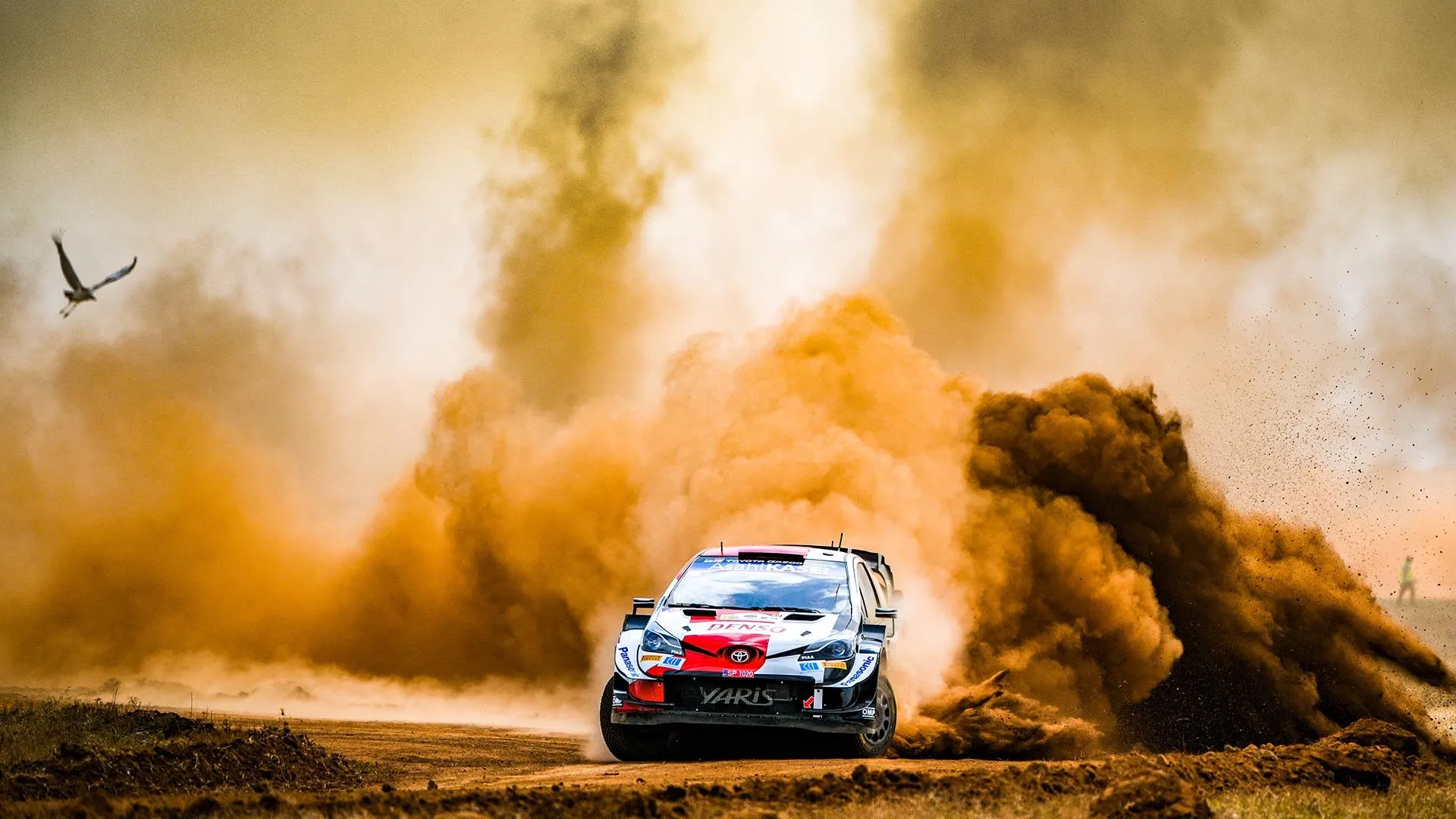
Safari Rally Kenya: Inside the World's Toughest Rally — and How to Watch It Like a Local
July 9, 2026
GUIDE
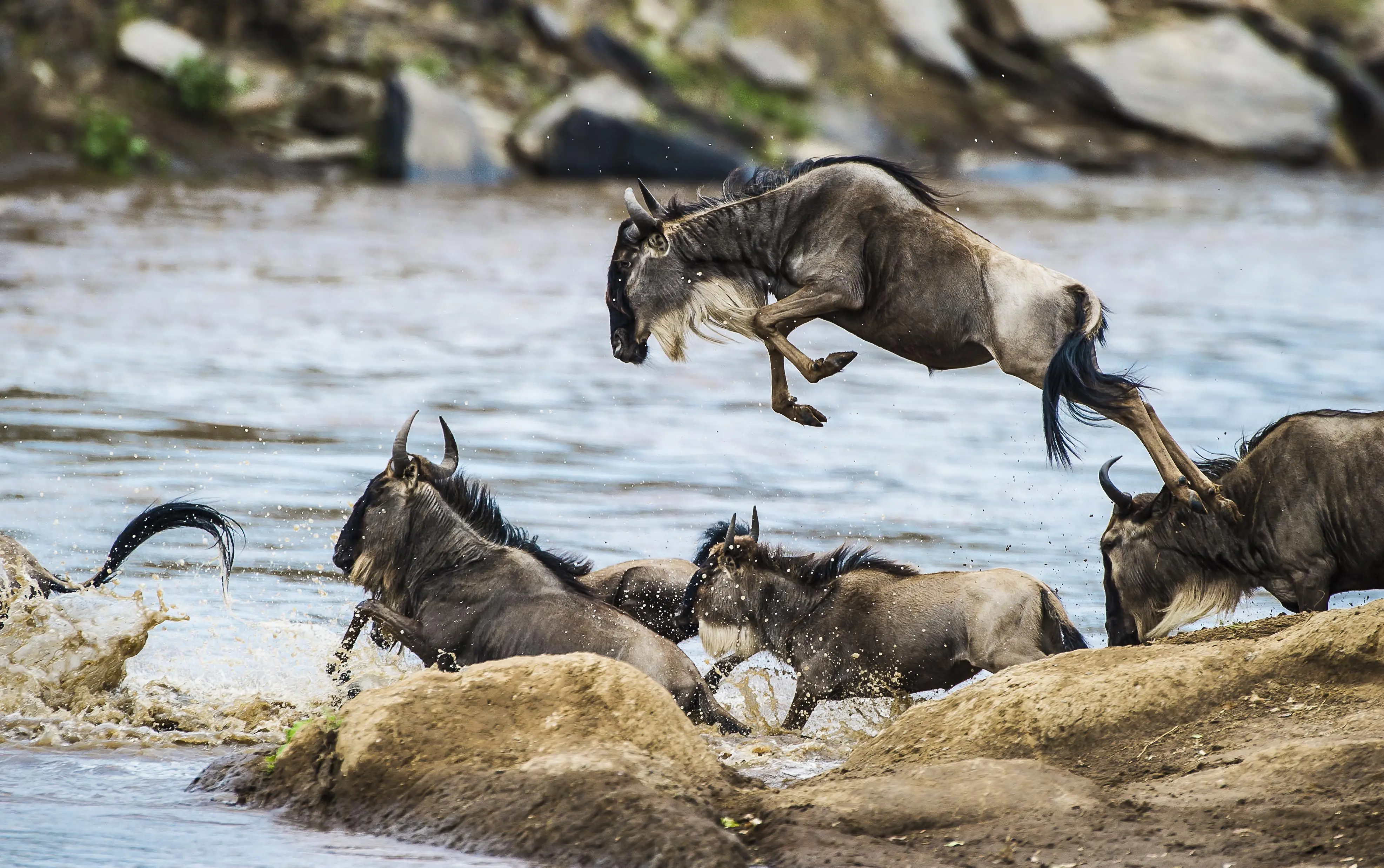
Maasai Mara High vs Low Season: Which Should You Book?
July 9, 2026
TIPS & TRICK
JKIA Airport Transfer: What to Expect
July 9, 2026

TIPS & TRICK
Self-Drive vs Chauffeur: Choosing a Kenya Car Rental
July 9, 2026
Marangu, Machame, Lemosho, or Rongai — each Kilimanjaro route offers a different balance of difficulty, scenery, and acclimatization. Here's how to choose.
01
Kilimanjaro doesn't have one route to the top — it has several, and picking the wrong one for your fitness level and schedule is the single biggest reason climbers turn back before the summit. Route choice matters more than gear, and often more than fitness alone.
02

The only route with sleeping huts instead of tents, Marangu is the most straightforward approach — but "easier logistics" doesn't mean "easier climb." Its shorter duration gives less time to acclimatize, and it's actually associated with lower summit success rates than the longer routes, despite its reputation as the beginner option.
03

The most popular route for good reason: more days on the mountain means better acclimatization, and the scenery through rainforest, moorland, and alpine desert is considered the most dramatic of the standard routes. It's tougher than Marangu, but that difficulty is exactly what improves your odds of actually reaching Uhuru Peak.
04

Lemosho approaches from the west and is the quietest, most remote of the major routes, with excellent acclimatization built into its longer itinerary. Rongai, approaching from the north near the Kenyan border, is the drier route and a solid choice during the wetter months when other approaches see more rain.
05

Whichever route you choose, start training 3-6 months out with weighted-pack hikes and regular cardiovascular work. Altitude affects everyone differently regardless of fitness level, so a longer route with more acclimatization days is almost always the safer bet over a shorter, cheaper one.
Full route details, pricing, and departure dates are available on request — contact us to plan your Kilimanjaro climb.
