Safari Rally Kenya: Inside the World's Toughest Rally — and How to Watch It Like a Local

Hike n Pic Team | July 9, 2026 | 8 min read
Hike n Pic Team | July 9, 2026 | 8 min read
GUIDE
Maasai Mara High vs Low Season: Which Should You Book?
July 9, 2026

TIPS & TRICK
JKIA Airport Transfer: What to Expect
July 9, 2026

TIPS & TRICK
Self-Drive vs Chauffeur: Choosing a Kenya Car Rental
July 9, 2026
CULTURE & HISTORY
Planning Your First Umrah: A Practical Guide
July 9, 2026
The Safari Rally is Kenya's toughest sporting event and one of the WRC's most iconic rounds. Here's how the Naivasha-based rally works, where to watch safely, and how to turn race weekend into a full Rift Valley adventure.
01
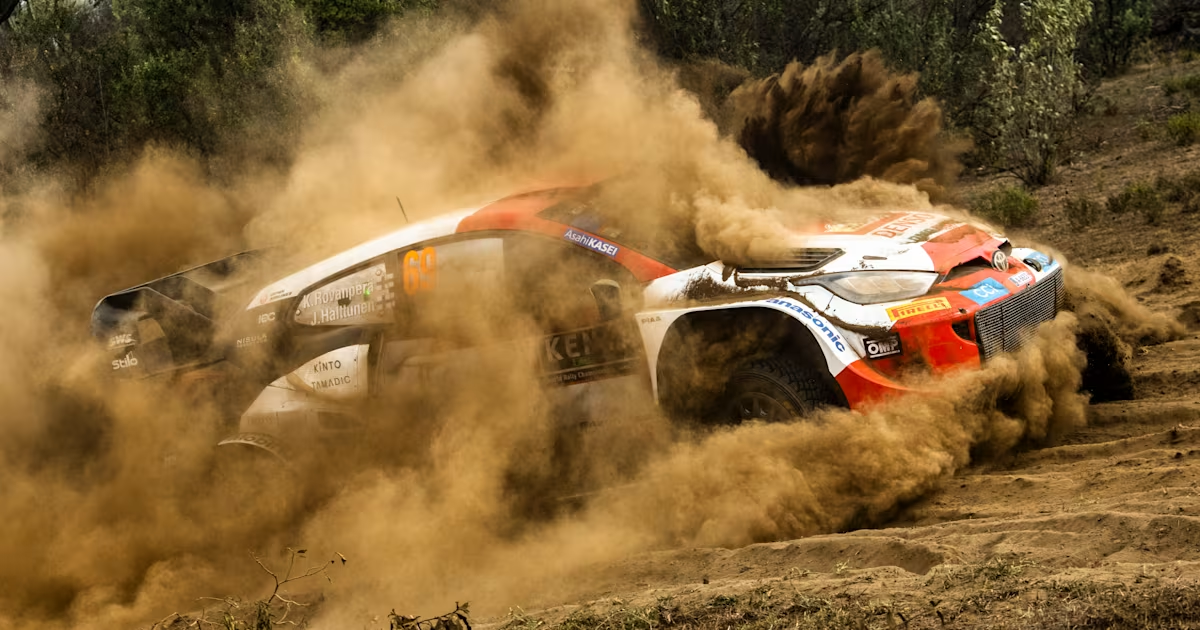
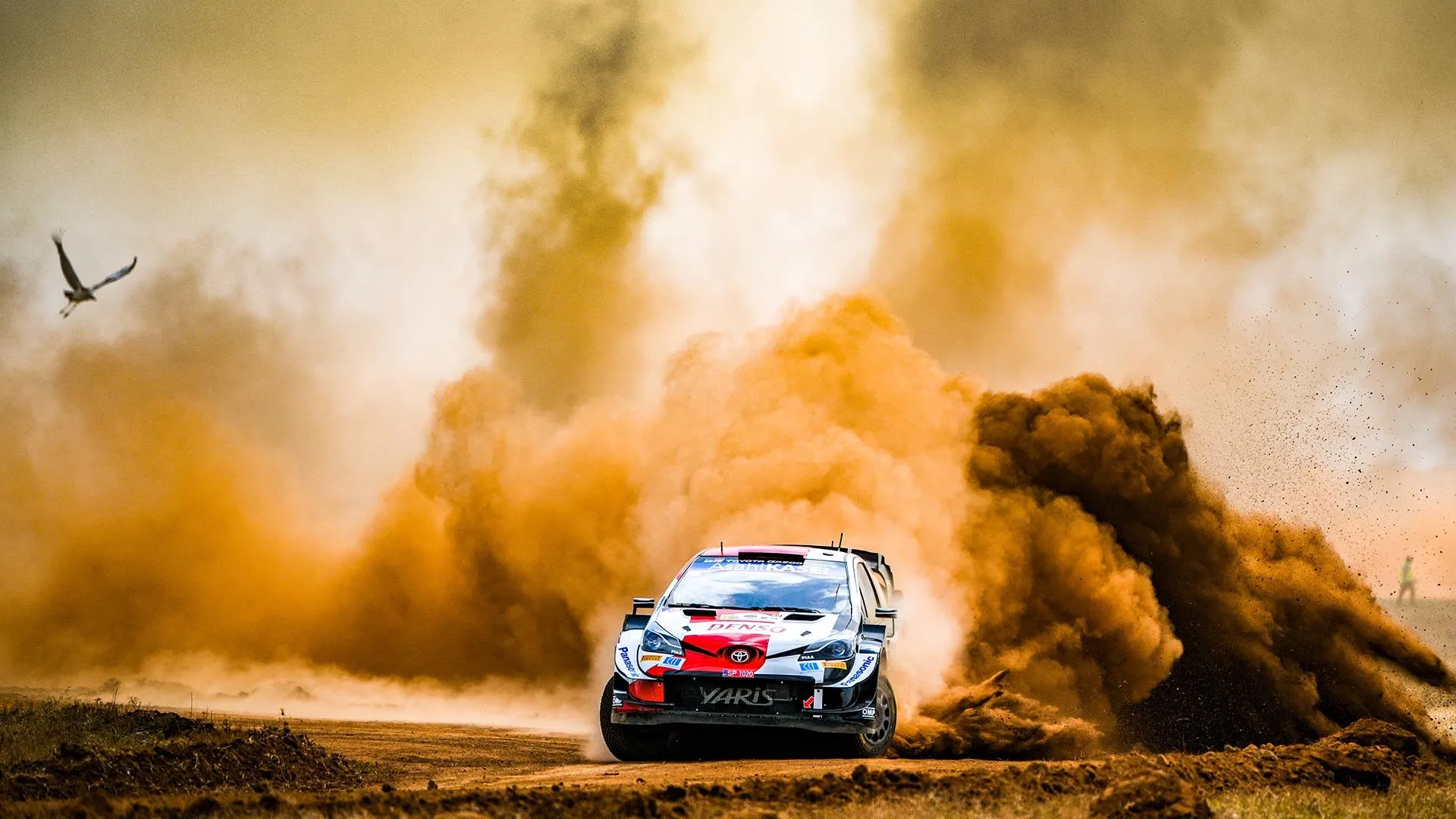
Formula 1 has Monaco's precision. Le Mans has endurance. The World Rally Championship has Kenya — and nothing else on the calendar comes close. The Safari Rally isn't just a race against other drivers, it's a race against the country itself: razor-sharp volcanic rock that shreds tyres, "fesh-fesh" sand fine enough to swallow a car's suspension whole, and weather that can turn a dust bowl into a mud bath in the time it takes to finish a stage. Since returning to the WRC calendar in 2021, it has quickly earned its reputation back as the event that separates the world's best crews from everyone else.
02
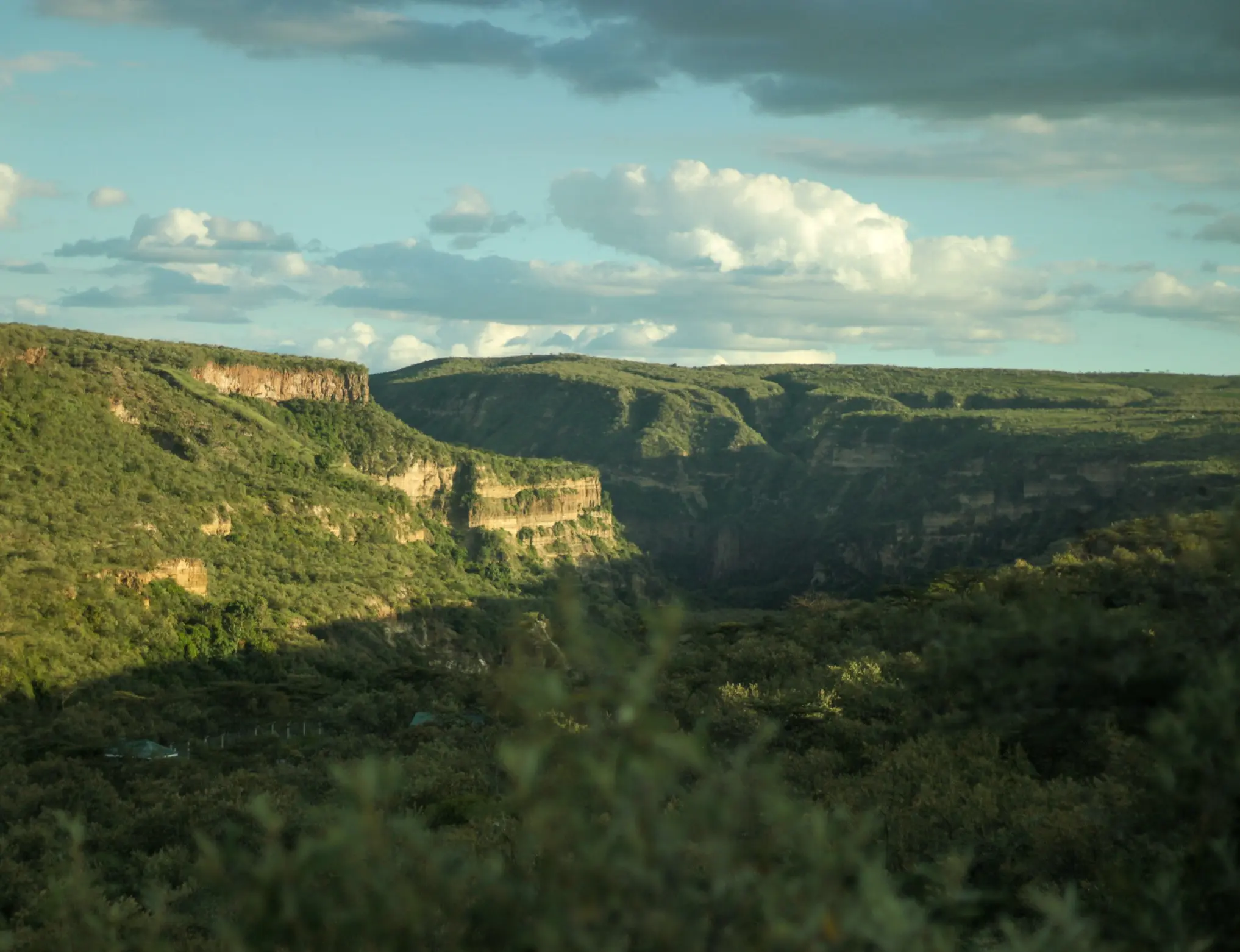
The rally has evolved. What was once a Nairobi-to-the-bush marathon spanning nearly a thousand miles is now a tighter, more brutal test concentrated entirely around Lake Naivasha and Lake Elementaita. Four days, around 20 special stages, and every kilometre matters. The shakedown opens proceedings on Thursday morning, Friday brings the marathon loop through stages like Kedong and Camp Moran, and by Sunday only the strongest cars and drivers are left standing for the finale.
03
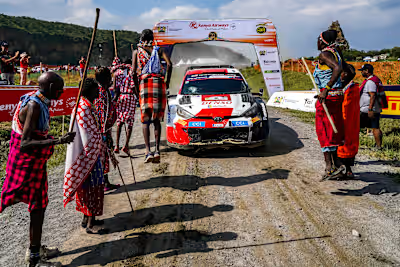
No stage carries more weight than the Power Stage at Hell's Gate. Framed by the same towering cliffs you'd otherwise be cycling past on a wildlife safari (yes, this is the same Hell's Gate our cycling day-trippers love), it's become the rally's signature finish — extra championship points on the line, thousands of fans lining the gorge, and cars pushed flat out against a backdrop most motorsport venues could only dream of.
04
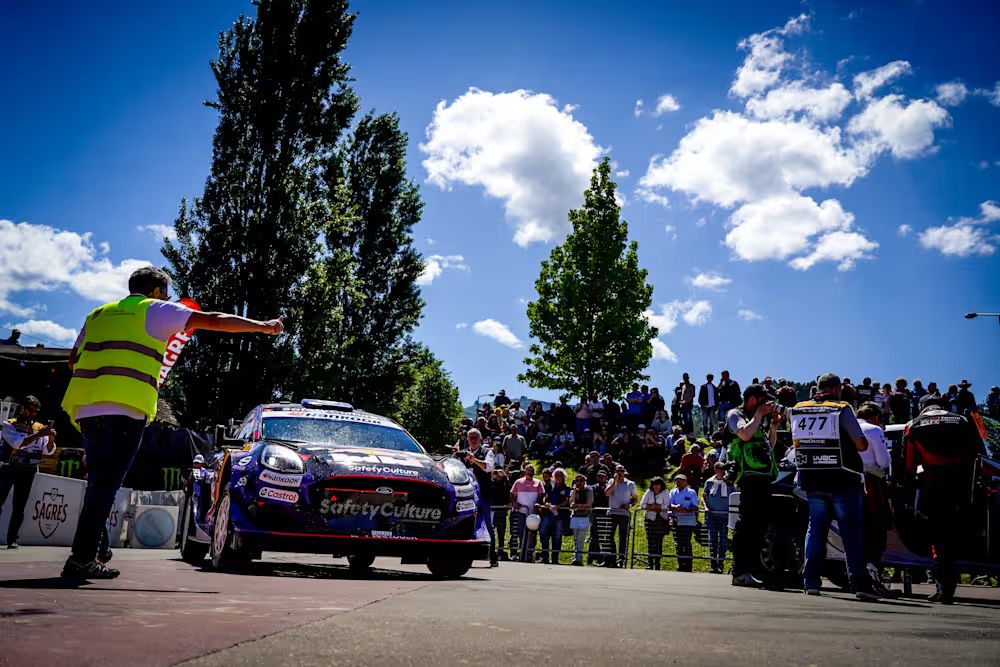
Free-to-attend stages like the shakedown and the Hell's Gate Power Stage draw the biggest crowds, but the best experience often comes from the less obvious viewpoints — elevated ground along the Kedong and Sleeping Warrior stages gives you sweeping views of cars kicking up dust across the savannah. A few rules matter more than any other: only stand in marked spectator zones, never on the inside of a corner, and arrive hours early — parking near the popular stages fills up fast and road closures start well before the first car passes.
05
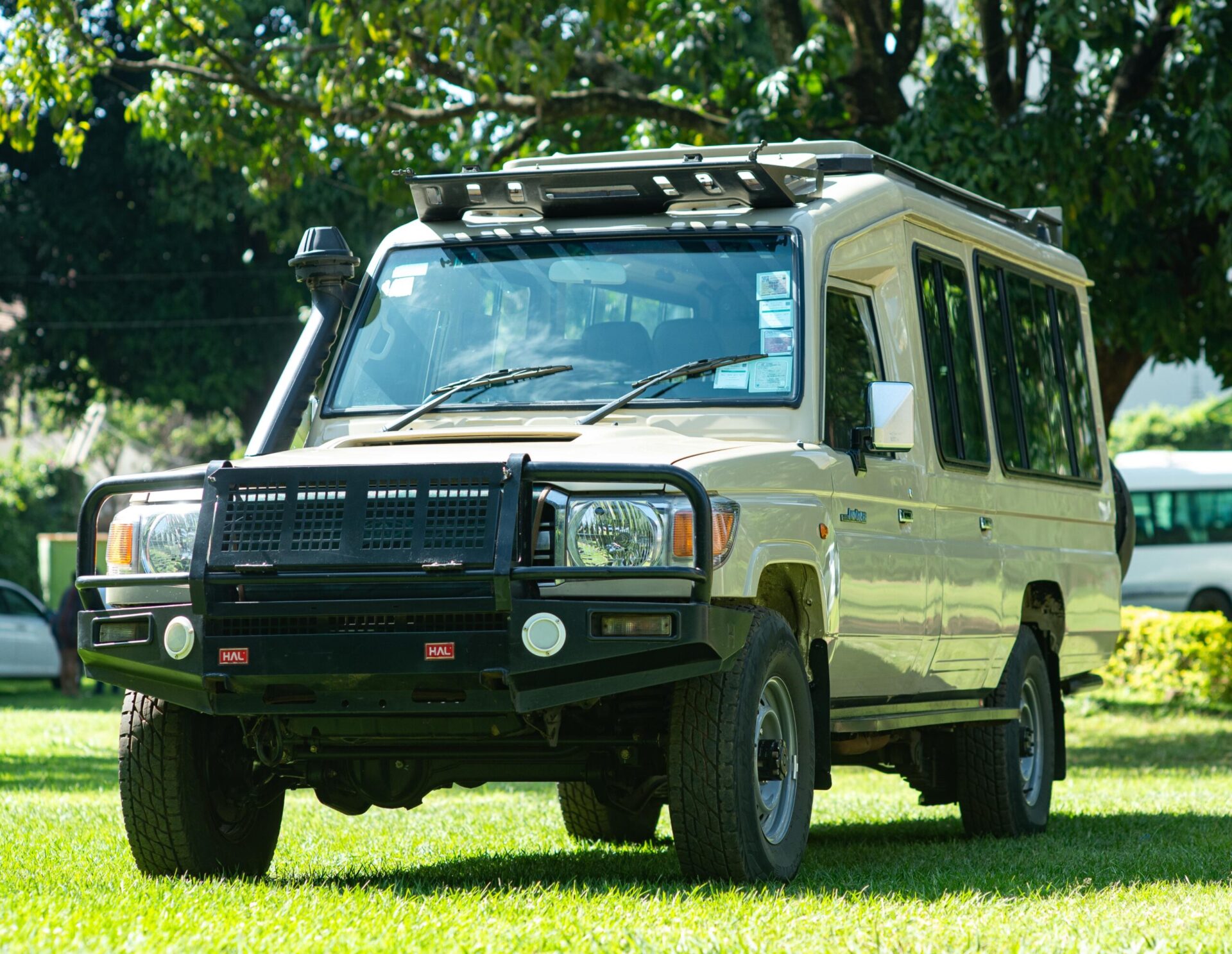
Naivasha sits about 90 minutes from Nairobi on a good day — rally weekend is not a good day. Roads around the service park and popular stages get congested fast, and matatus won't get you to the more remote viewpoints. This is exactly the kind of weekend our 4x4 self-drive and chauffeur-driven rental fleet was built for: a Land Cruiser or Prado handles the gravel access roads without drama, and if you'd rather watch the rally instead of navigating to it, our chauffeur service means you're dropped exactly where the action is and picked up when you're ready to leave.
06
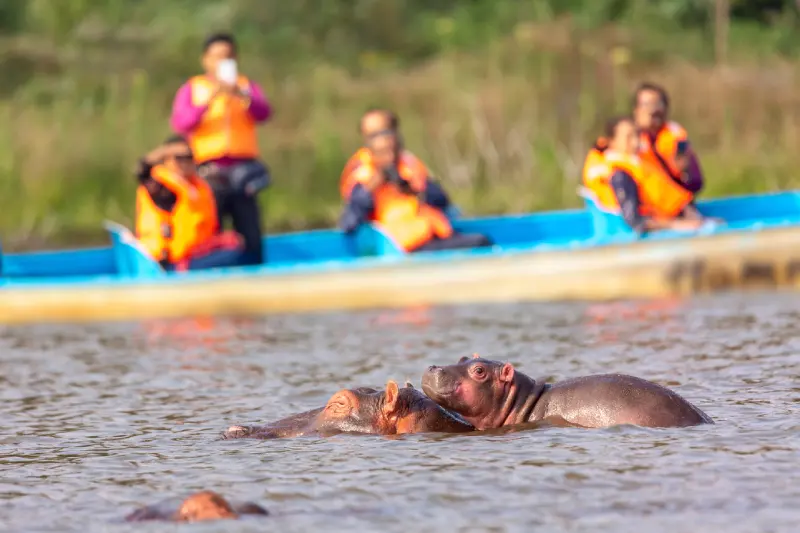
Rally fans who fly in for the weekend are sitting on top of some of Kenya's best scenery and it would be a shame to miss it. Between stages, a boat ride on Lake Naivasha for hippo and bird sightings, a walking safari at Crescent Island, or a side trip to Hell's Gate for cycling all fit comfortably around the rally schedule. Combine a rally viewing package with one of our Rift Valley tours and turn a race weekend into a proper Kenyan getaway.
Next year's exact dates will be confirmed by the FIA and WRC Promoter later in the season — join our newsletter or check back here, and we'll update this guide the moment the calendar drops.
